Sidebar
What is energy poverty • Basic
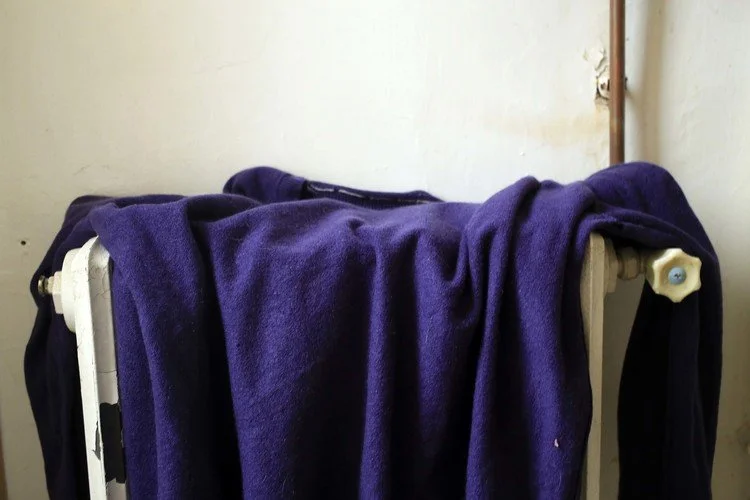
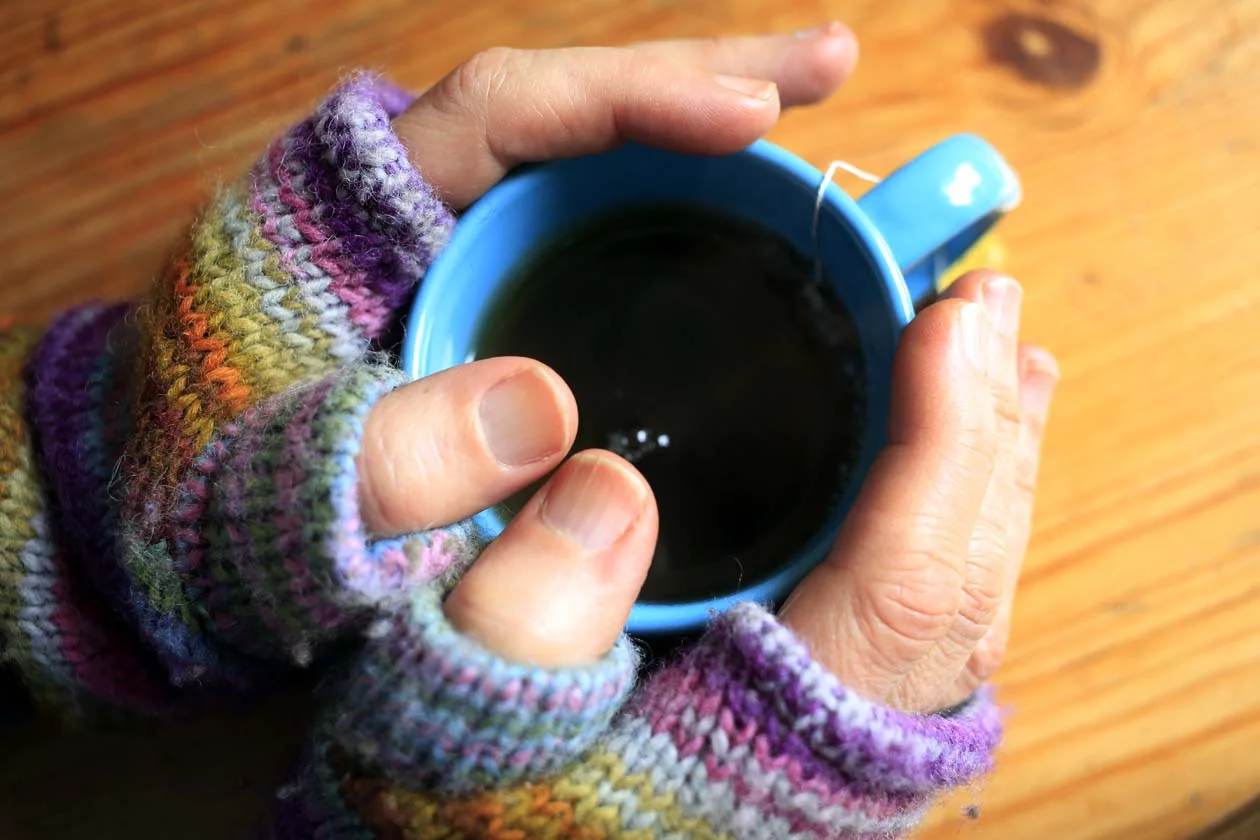
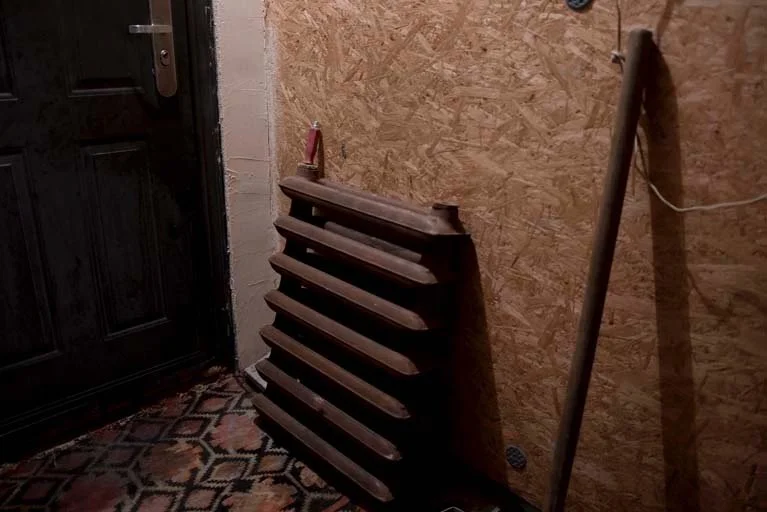
What is energy poverty • Indepth


What are the impacts? • Basic
#block-yui_3_17_2_4_1456243986126_5042


What are the impacts? • Indepth
#block-yui_3_17_2_16_1456244256899_6625
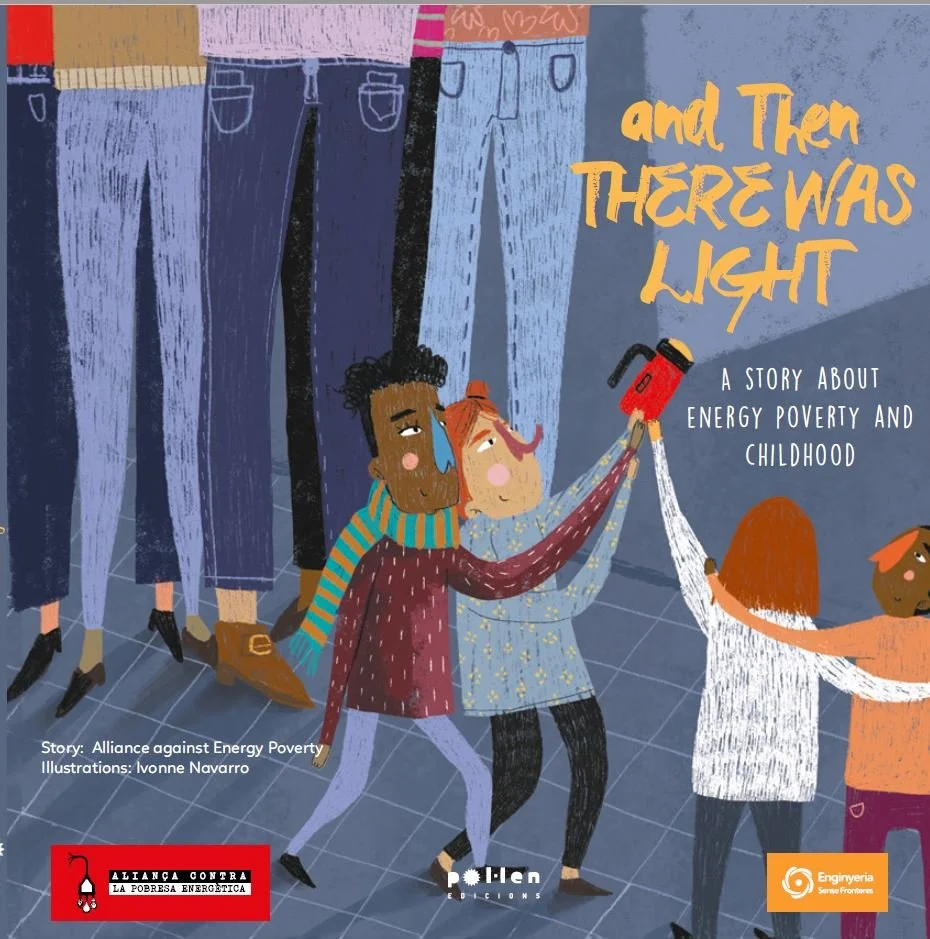
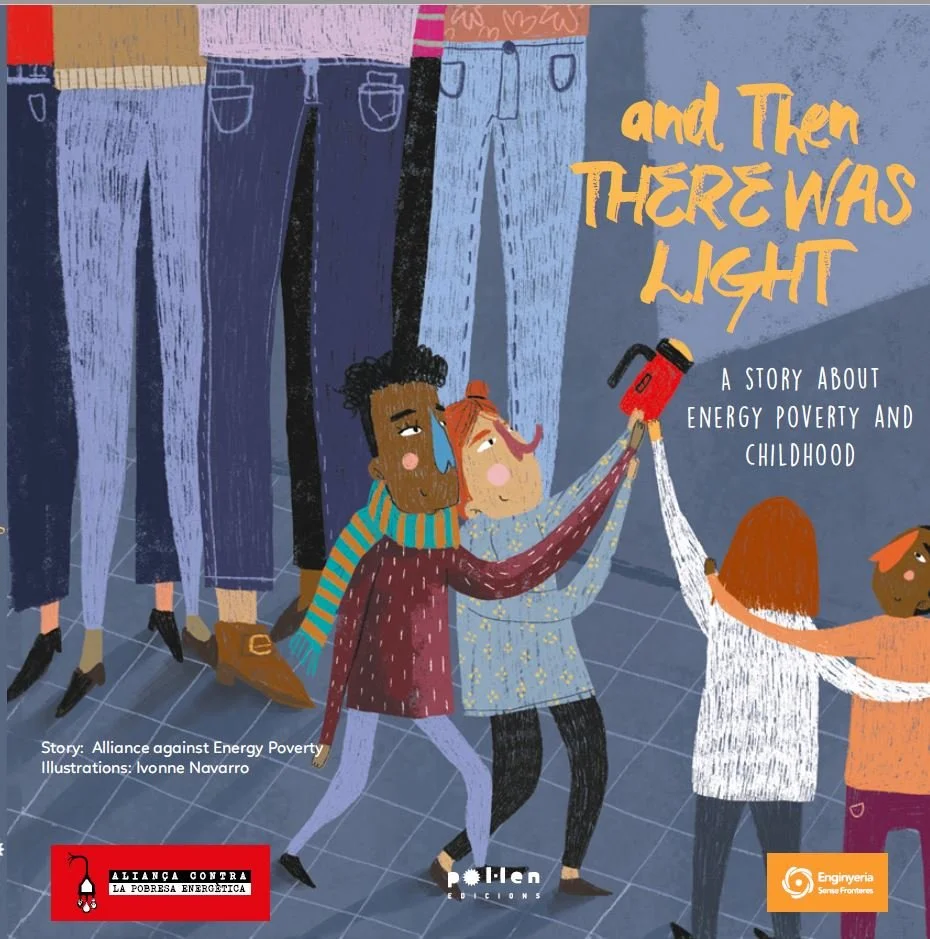
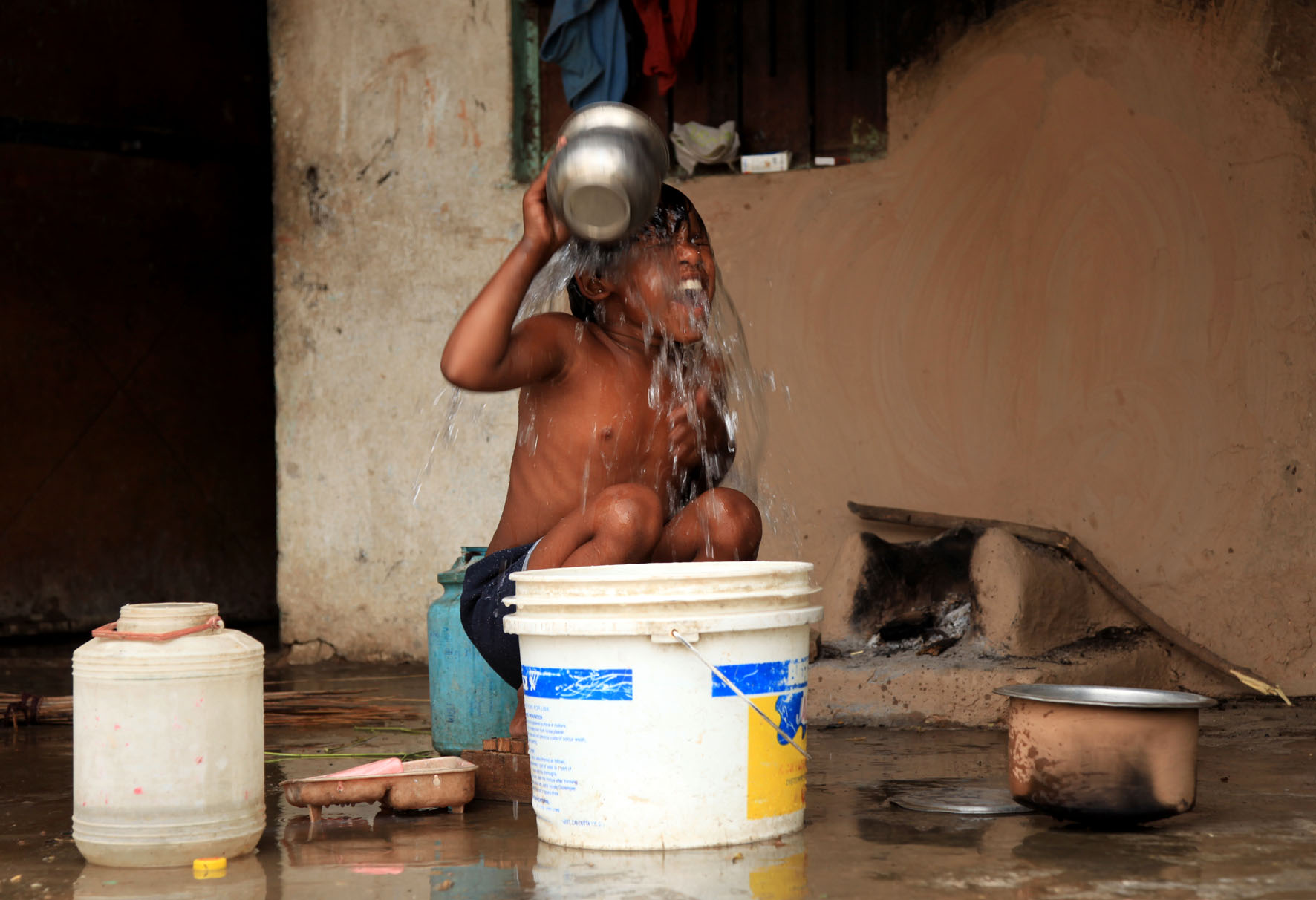
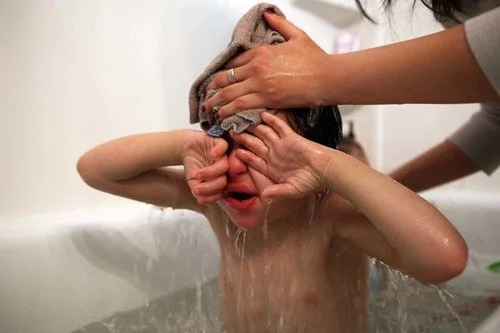
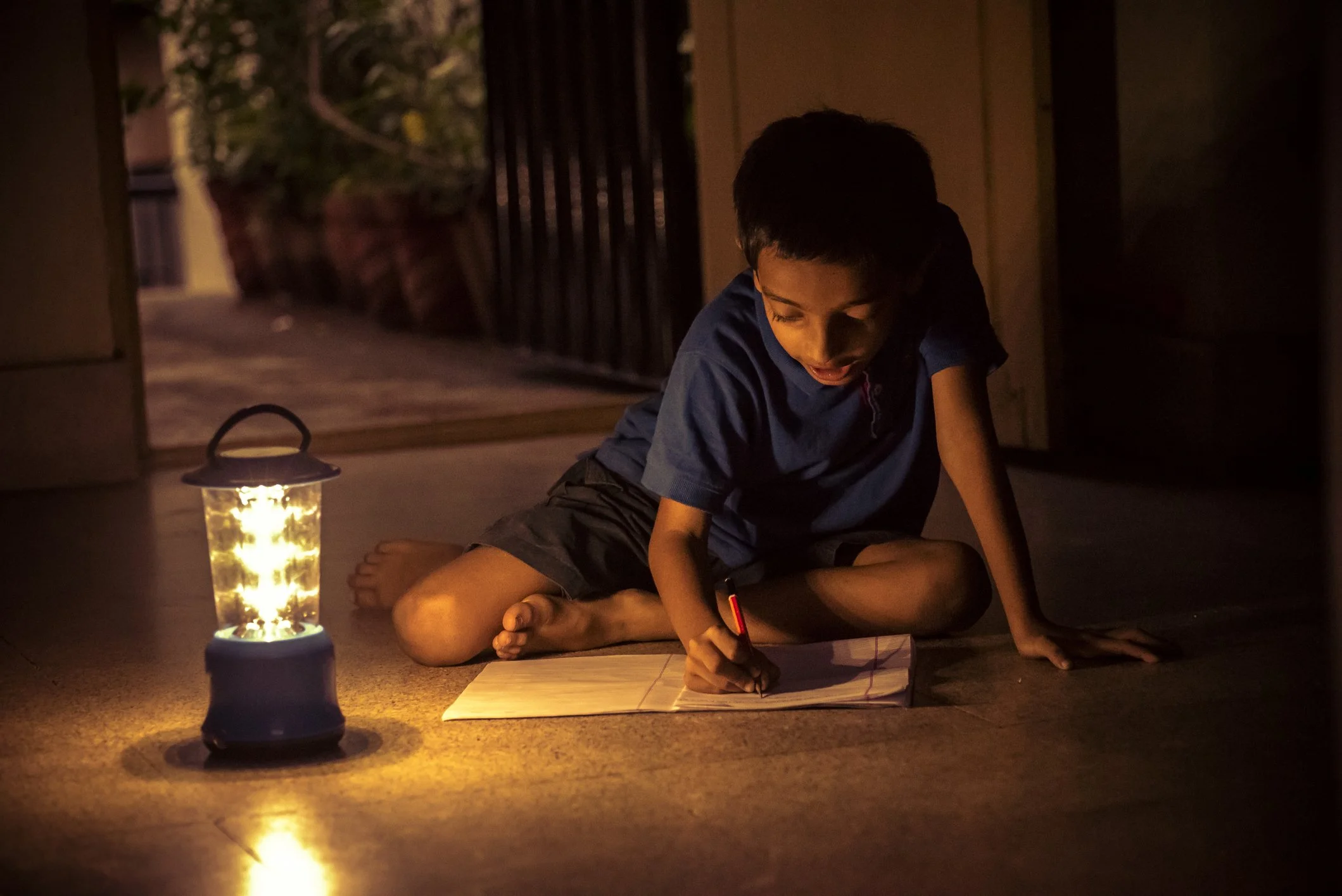
EnAct probes how children experience energy poverty by speaking with Irene Gonzales-Pijuan, who used art-based workshops to encourage open dialogue and expression. In turn, with the Alliance Against Energy Poverty in Barcelona, she produced a children’s book, “And then there was light”, which can help parents better understand how their children are affected by lack of access to energy.

Where does energy poverty exist? • Basic



Where does energy poverty exist? • Indepth


What causes energy poverty? Basic
What causes energy poverty? • Indepth
What role does available energy play? • Basic
What role does available energy play? • Indepth
How do we know who needs help? • Basic
How do we know who needs help? • Indepth
Technology solutions to energy poverty • Basic

Technology solutions to energy poverty • indepth
Policy approaches to energy poverty • Basic
What do we mean by a ‘right to energy’ — and how can it be upheld? A new Toolkit, published by the ENGAGER-COST network, looks at practical aspects of access, affordability and energy democracy. In arguing that all citizens should enjoy this right, the Toolkit sets out associated responsibilities on the part of states and other actors.

Policy approaches to energy poverty • Indepth

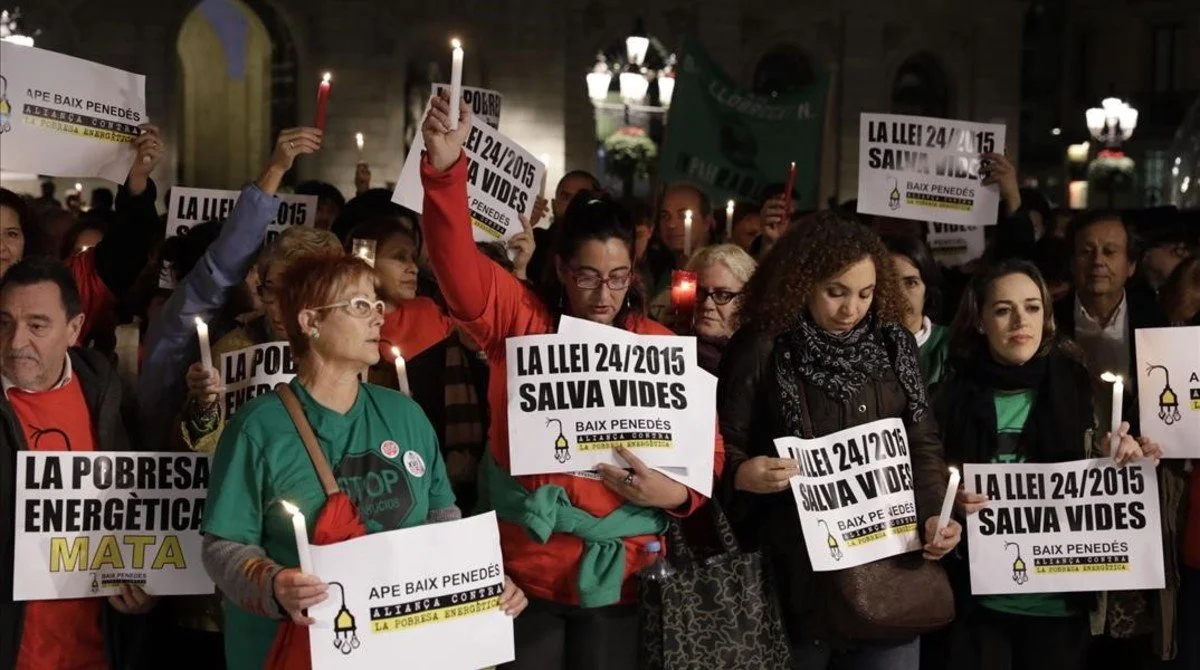
The right to energy is strongly tied to the right for a dignified life. To achieve that goal, energy must be accessible and affordable, and people must be able to participate in decision making about energy. The ENGAGER-COST network Right to Energy Toolkit provides overarching principles and practical considerations.


Who can help and how? • Basic

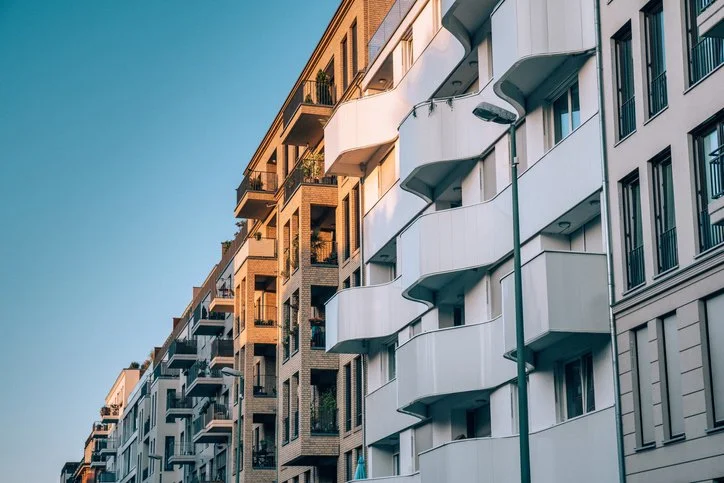

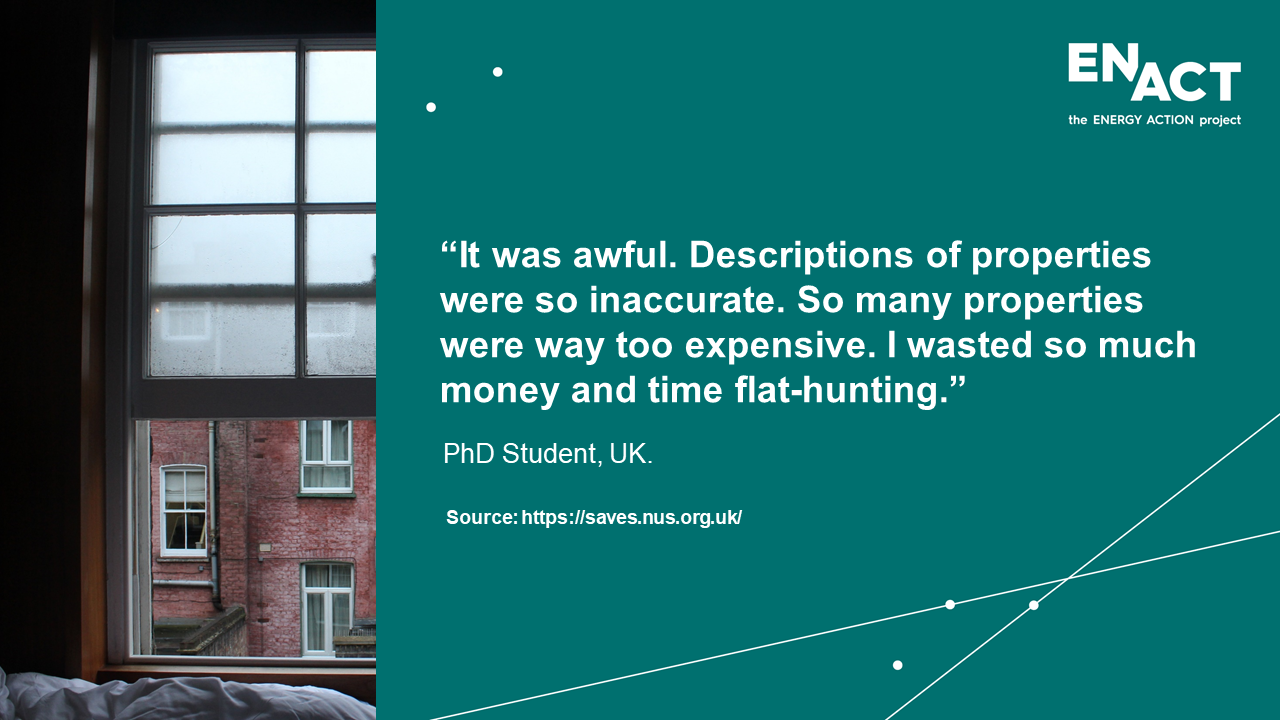
Anxiety, depression, feelings of misery and the development of new or recurrence of existing health problems. Such mental and physical health impacts have previously been linked to the pressures of university life. But new research by Students Achieving Valuable Energy Savings 2 (SAVES2) shows they can be exacerbated by a situation that has gotten little attention: i.e. that poor housing conditions, tight budgets and low understanding of energy drive many students into energy poverty.
Who can help and how? • Indepth
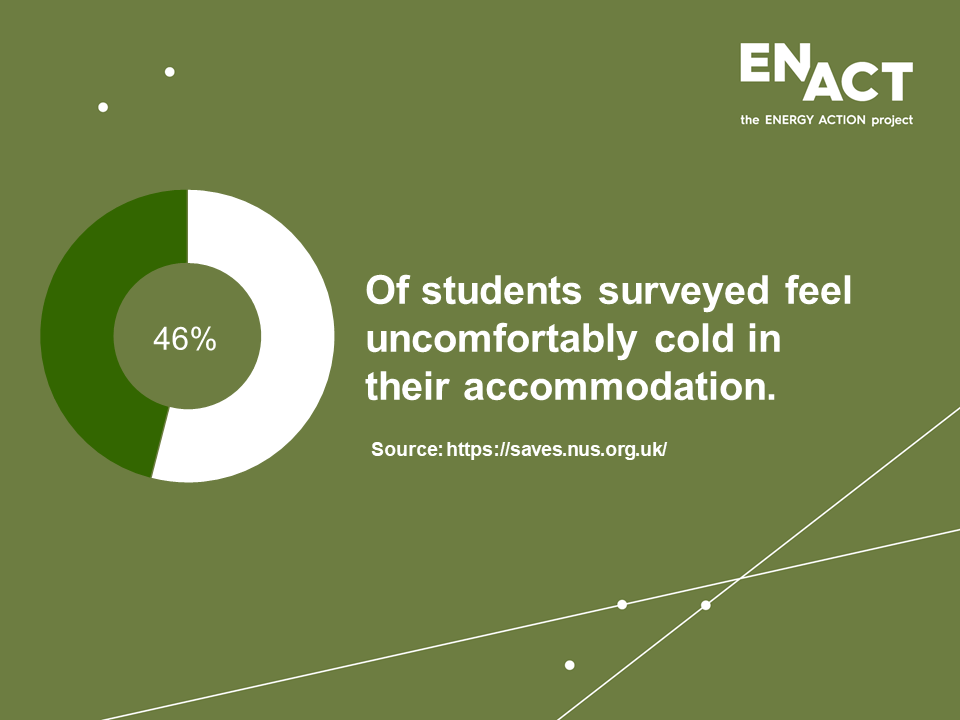
Across the seven countries in which it operates, SAVES2 surveyed more than 3 500 students and 400 landlords over the period 2017-20. Complexities in the student population, including its transient nature and differences in household incomes, make it difficult to accurately measure how many students face energy poverty. The research, however, uncovered five main contributing factors; it also confirmed that national schemes to assist such students are rare.
Finding the money to take action • Basic
Meeting emissions targets of the EU Green Deal implies a renovation cost of €100 bln for homes. A UK study found 58% of owners worried about repaying loans; 53% were deterred by lack of government support. Innovative policy, partnerships and financing schemes are needed.
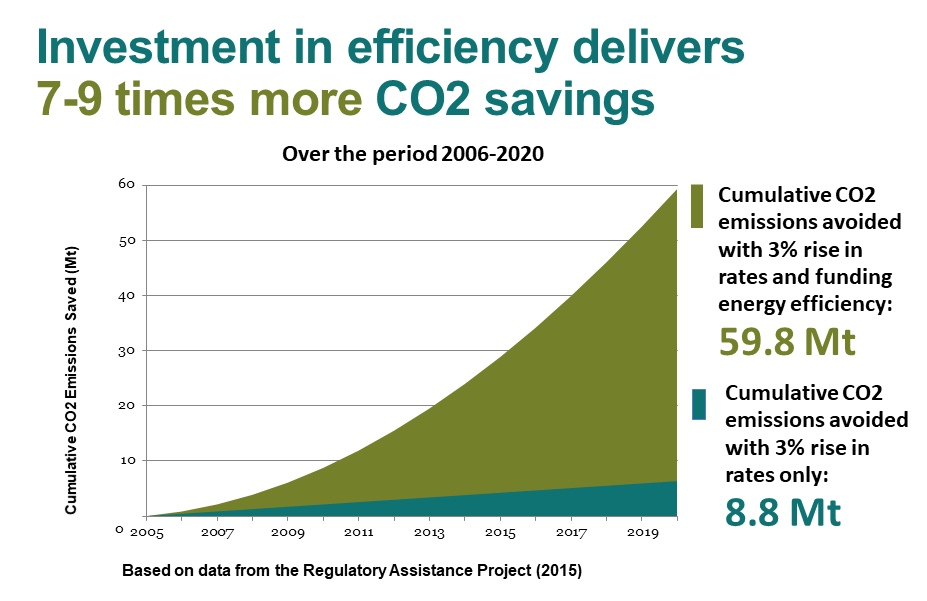
With carbon prices expected to rise, the World Wildlife Fund estimates that, by 2030, the EU Emissions Trading Scheme could deliver revenues of €200 bn to EU Member States. The Regulatory Assistance Project sees potential for this new source of substantial funds to help deliver a just energy transition, including by prioritising energy efficiency of the worst quality homes to lift EU citizens out of energy poverty. Programmes in the Czech Republic, France and Germany validate that such an approach delivers additional benefits.
Within the European Green Deal, the Just Transition Mechanism is strategic on the lending side in that it tackles different financing challenges and stimulates different types of co-investment by public or private partners. In turn, it is strategic on the receiving side in that funds will be dispersed to Member States facing the greatest challenges, but only for projects show how they will help meet overall targets.
Finding the money to take action • Indepth

70% of EU homes are occupied by owners. Meeting emissions targets of the EU Green Deal implies a renovation cost of €100 bln for homes. Owners need to be persuaded that energy investment warrants the cost and disruption. A UK study found 58% of owners worried about repaying loans; 53% were deterred by lack of government support. Innovative policy, partnerships and financing schemes are needed.
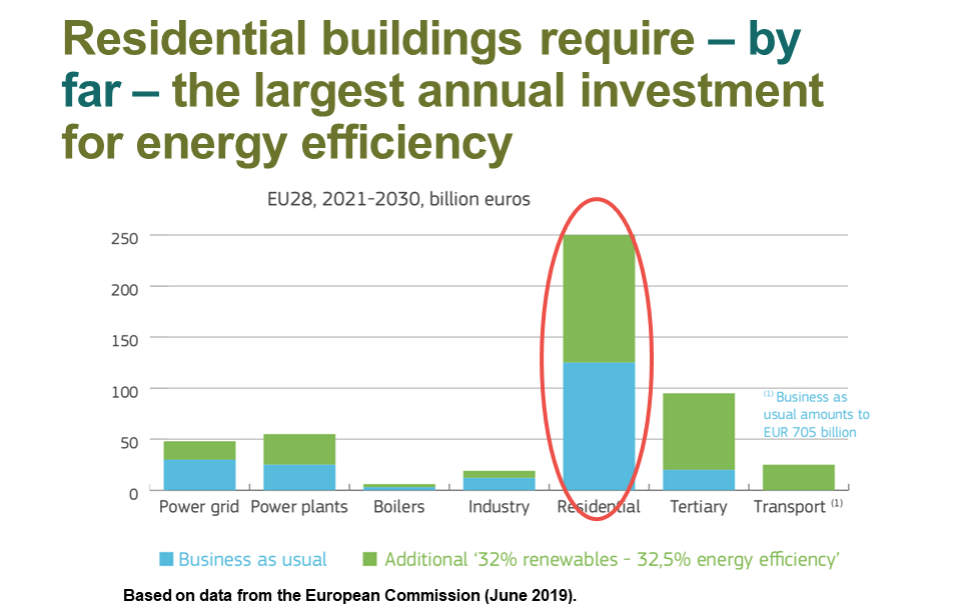
Data from the European Commission show that the greatest need for energy efficiency renovations is - by far - in the residential sector. In the Czech Republic, a scheme to reduce GHGs distributed €350 carbon revenues to subsidise renovations of 32 000 homes. Over the period 2014-18, each €1 invested by the State attracted €3 of private (householder) investment. If this 1:3 return were to be sustained and 100% of national carbon revenues were to be recycled into the scheme, by 2030 in the Czech Republic alone, EU ETS revenues of €4-7 bn could deliver €12-21 bn of investment in renovation. Scaling up this approach across the EU would contribute significantly to the EU Green Deal targets.
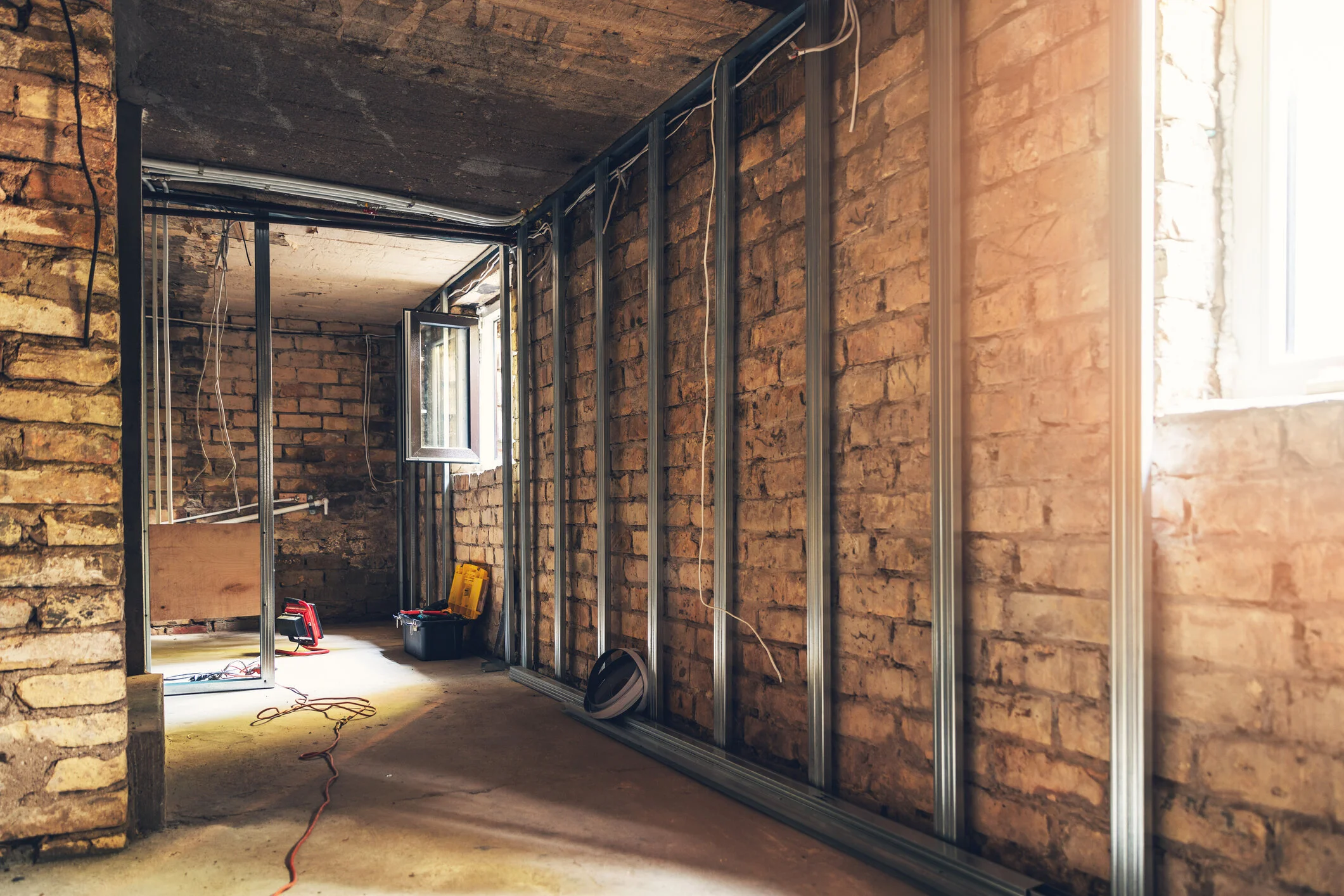
Within the European Green Deal, the Just Transition Mechanism is built upon financial engineering principles that aim to mobilise – from public and private sources – up to €100bn over the period 2021-27. At their core, these principles aim to reduce risks. To support the aim of ‘leaving no one behind’, the Mechanism aims to deliver benefits across all segments of society.
The benefits of housing upgrades • Basic

Boosting the energy efficiency of the EU building stock is critical the European Green Deal — and indeed to addressing climate change globally. The vast potential of energy efficiency is well documented: in fact, some refer to it being ‘2-Es that need 6-Ds’. The ‘desirable’ goal of a global transition that supports universal access to modern energy services while also achieving the emissions reduction will require disruptive action in four key areas: decoupling, decarbonisation, decentralisation and digitalisation.
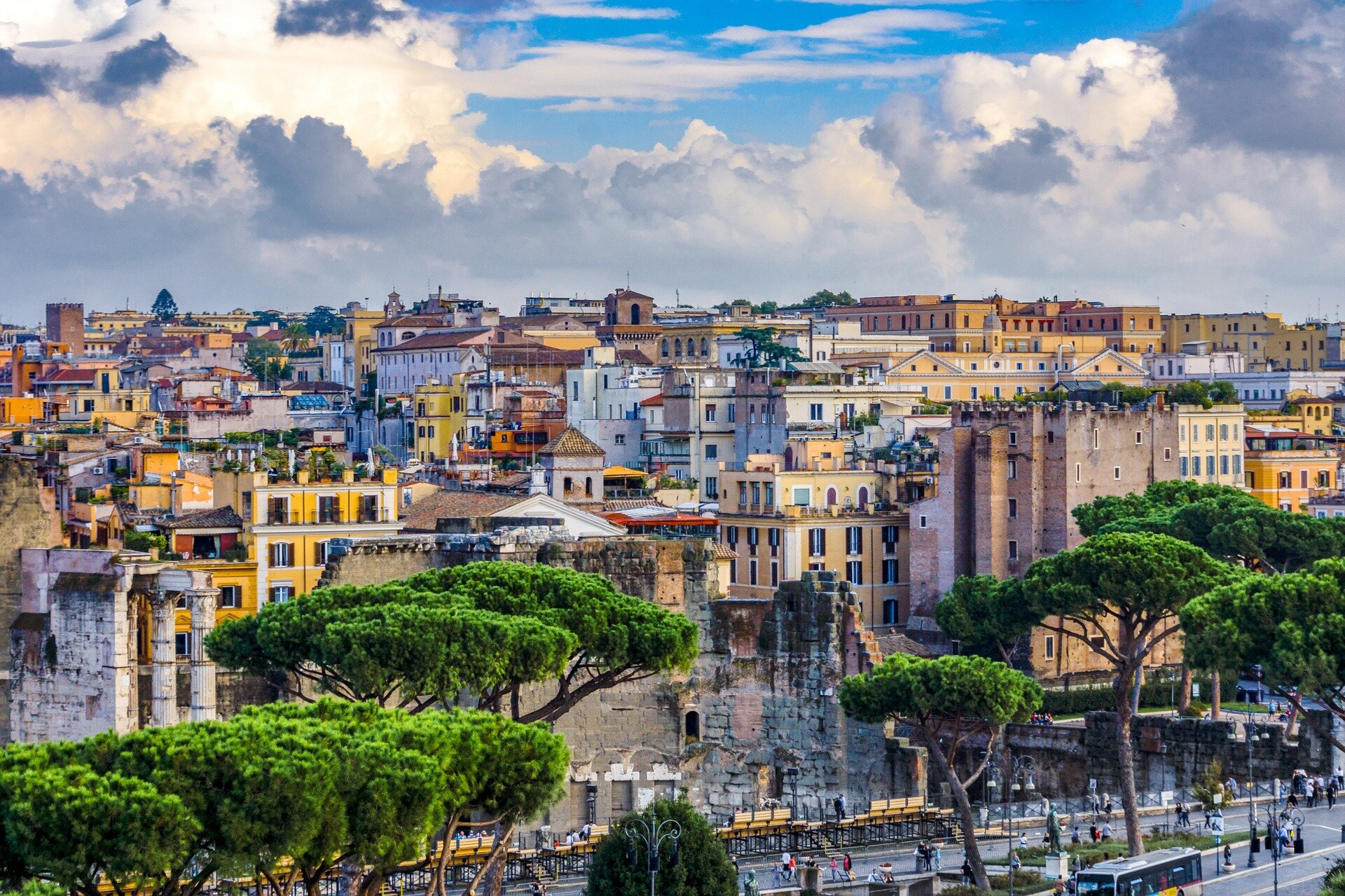
The state of EU buildings holds potential to make or break whatever energy, emissions and environmental targets are set in the European Green Deal. As reported by Renovate Europe, 9 out of 10 existing buildings will still be in use in 2050: without renovation, their energy demand and emissions will remain unchanged.
The benefits of housing upgrades • Indepth


The state of EU buildings can make or break whatever energy, emissions and environmental targets are set in the EU Green Deal. As reported by Renovate Europe, 9 out of 10 existing buildings will still be in use in 2050: without renovation, their energy demand and emissions will remain unchanged. Deep energy renovation will carry heavy costs; it is time to value the benefits it will deliver.